Living in Washington, DC
Washington, DC is really a collection of neighborhoods, each with its own character, and most buyers start with the neighborhood rather than the address. This guide covers the shape of District living, the neighborhoods people most often ask about, getting around, and how schools work.
Known for
A neighborhood city with a world-class center
School district
Washington DC Public Schools plus charters
Best for
Urban life without a commute
What is Washington, DC like?
The District is the seat of national government, which shapes everything: the federal workforce, the diplomatic community, and the museums, monuments, and culture that flow from it. Height limits keep the skyline low and the streets in scale, and the result is a city of distinctive neighborhoods, each with its own housing stock, parks, and nightlife.
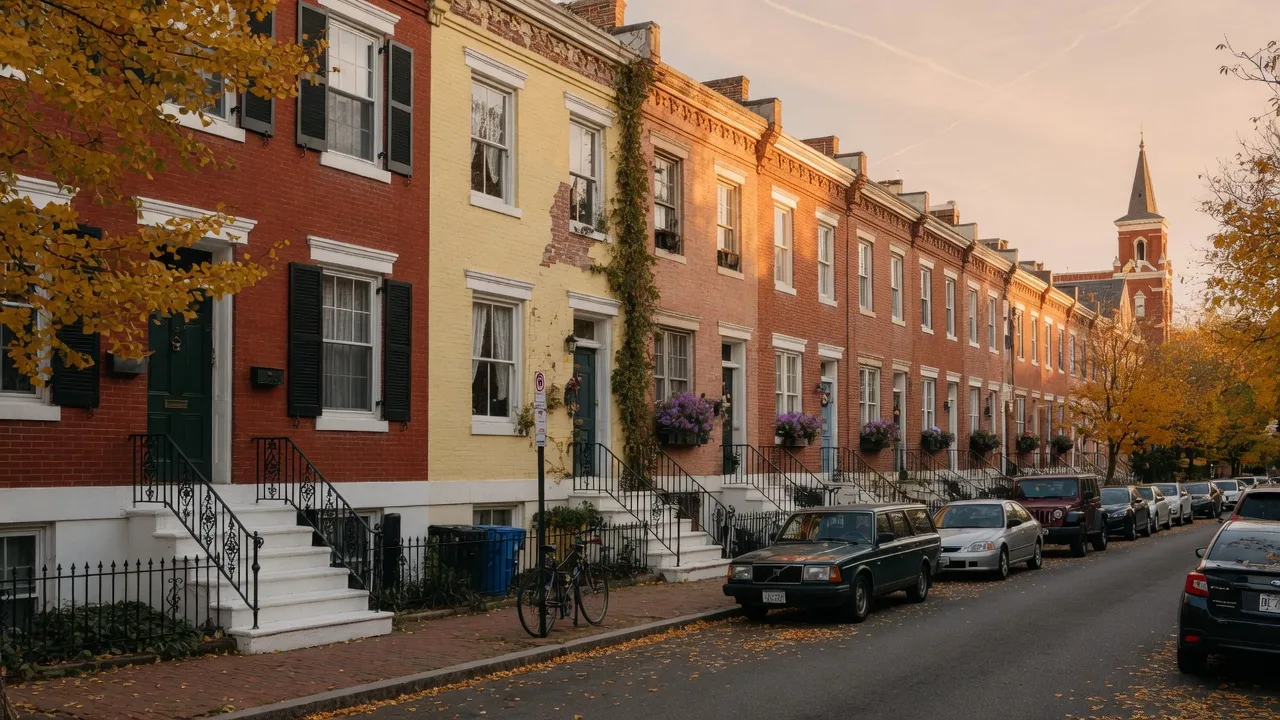
Housing runs from the brick and painted rowhouses of Capitol Hill and Logan Circle to the historic estates of Georgetown, the modern waterfront developments of Navy Yard, and quieter family enclaves like Cleveland Park and the Palisades. Many buyers here skip the car entirely, using Metro, bikes, and walking.
At a glance
A neighborhood city with a world-class center. Schools: Washington DC Public Schools plus charters. Best suited to: Urban life without a commute.
Which neighborhoods should you consider?
A starting point, not a census: the neighborhoods buyers in Washington, DC ask about most, and the character that sets each one apart.
Capitol Hill
Rowhouses, Eastern Market, and strong community life around the Capitol and the Library of Congress.
Georgetown
The city's iconic historic address: cobblestone streets, waterfront, and high-end shopping.
Logan Circle / Dupont Circle
Historic brownstones and rowhouses, restaurants, and some of the city's best people-watching.
Navy Yard / Southwest Waterfront
Modern condos and apartments along the Anacostia River and Washington Channel, with the ballpark nearby.
Adams Morgan / Mount Pleasant
Diverse, walkable, and lively: international restaurants, music, and weekend street life.
Cleveland Park / The Palisades
Leafy family neighborhoods with gracious homes and easy access to Rock Creek Park.
How is the commute?
For most residents, the commute is Metro, bus, bike, or foot. The system radiates through the city, and many jobs are downtown or along the corridors. Drivers contend with rush-hour traffic that is legendary, which is exactly why so many Washington DC residents choose the city in the first place: the walk to the office or the Metro outranks the garage.
What is the lifestyle like?
The Smithsonian museums are free, the National Mall is the backyard, and Rock Creek Park gives the city miles of trails within the grid. Each neighborhood has its own restaurant and music scene, and the city's diversity shows up at the table: Ethiopian, Salvadoran, Vietnamese, and more. It is dense, lively, and never boring.
How do schools work here?
The District's schools are Washington DC Public Schools plus a large public charter sector. School quality varies by school and program, so families choose by school and community as much as by neighborhood, and the charter lottery adds another layer. Attendance and admissions are school-specific, so research the school before you commit to the address.
School boundaries can change from street to street and year to year. Verify the assignment for any specific address before you make an offer.
Who is Washington, DC best for?
Washington DC suits buyers who want an urban life where the neighborhood is the point: singles and couples who love the city, families committed to Washington DC schools or charters, and anyone who refuses to spend their life in traffic. Space is the trade-off: homes are typically smaller and pricier per square foot, and you are buying the lifestyle as much as the building.
Explore other area guides
Jayme is licensed in Washington DC, Maryland, Virginia, and Florida, and she works with buyers and sellers across the Washington DC metro area and Southwest Florida. Comparing areas side by side is the fastest way to find your fit.
Rockville
County seat, Town Square, and the Red Line
Read the guideChevy Chase
Village living on the Washington DC line
Read the guideBethesda
Walkable downtown, NIH, and the Red Line
Read the guidePotomac
Estate homes, River Road, and wooded lots
Read the guideFairfax
County seat, historic downtown, and family suburbs
Read the guideFalls Church
The Little City: walkable, independent, inside the Beltway
Read the guideArlington
Walkable urban villages and a 10-minute train to Washington DC
Read the guideAnnandale
Koreatown of the DMV, inside the Beltway
Read the guideCape Coral
More canals than any city in the world
Read the guideFort Myers
City of Palms, Edison and Ford, and the River District
Read the guideNaples
White-sand beaches, golf, and Fifth Avenue South
Read the guideNext step
Ready to look at homes in Washington, DC?
The first conversation costs nothing and obliges nothing. Tell Jayme where you are in your move, and she will tell you exactly what comes next, including the neighborhoods worth your weekend.