Declutter and depersonalize
Start with the stuff, because everything else is easier once the space is clear. Pack away what you do not use daily: extra furniture, collections, family photos, awards, and anything that makes a room feel like yours rather than a buyer's. The goal is neutral, open rooms a buyer can picture their own life in.
Closets matter more than people expect, because buyers open them. A closet packed to the ceiling reads as a closet that is too small. Pack down to about half-full and the storage suddenly looks generous. One line to remember through this whole step: sell the space, not the stuff. Every box you remove makes the home lighter, brighter, and easier for someone else to imagine living in.
Stage every room to show its best
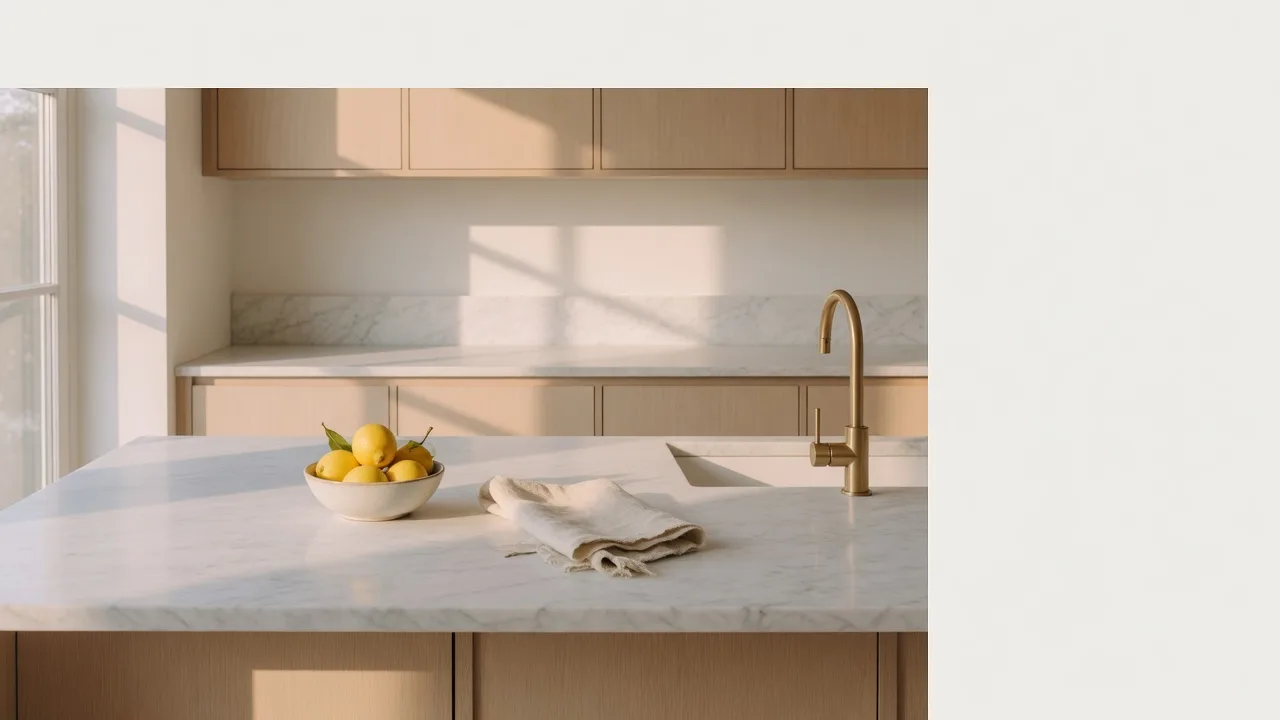
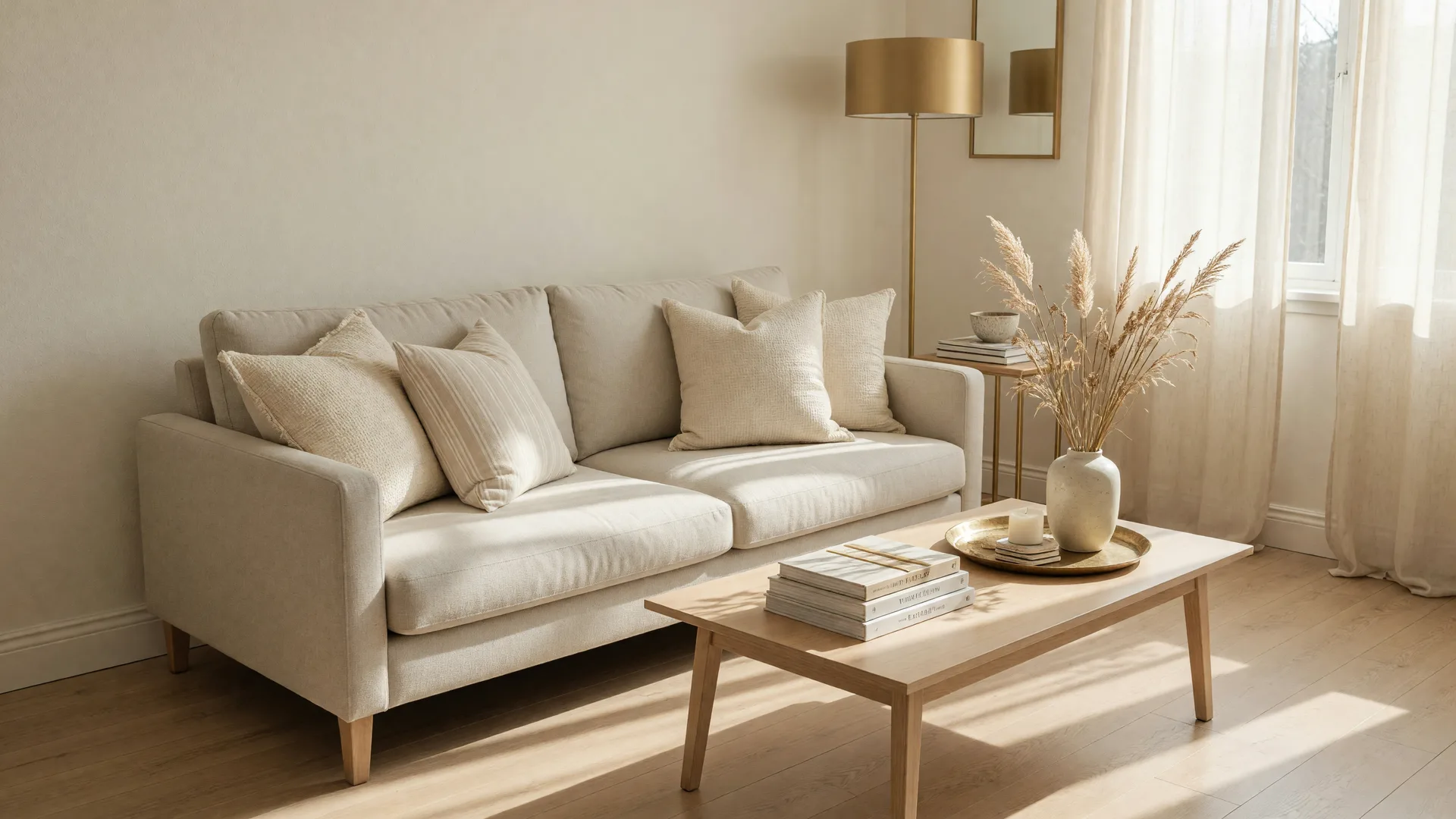
Kitchens sell homes, and clutter is their enemy: clear the counters down to a single small bowl or vase, clean the appliances inside and out, and make sure the cabinet handles all match and sit straight. In living spaces, arrange furniture to show the room's flow and pull it a few inches off the walls so the space reads larger. Bedrooms should read calm and neutral, with beds made and nightstands clear.
Bathrooms should look like a hotel: re-grout where the grout is failing, replace cracked caulk, and keep the counters down to a folded towel and maybe one small soap. Then let the light in: open the curtains for every showing and every photograph, clean the windows on the main floor, and add a lamp to any room that reads dark. If arranging and editing feels like a second job, it is the part of the process where help pays for itself: Jayme connects sellers with staging and decluttering help, professional cleaning, painters, and flooring specialists, so the prep list gets decided first and the right professional is brought in at the right time.
Fix what buyers notice
Walk the home with a critical eye and fix the small things first: a dripping faucet, a sticking door, a cracked outlet plate, a burned-out porch light. Buyers notice a dozen small defects and start to wonder what the expensive ones look like. Touch up scuffed paint on walls and trim, replace worn caulk in the bathrooms, and make sure every door and window operates smoothly. You do not need a remodel. You need the home to read as maintained.
For anything bigger, use people who do the work properly. Jayme keeps a vetted network of contractors for repairs and small improvements, and can match each job to the right trade at the right moment, so the fix list gets done once, done right, and done before the photography.
Deep clean and boost curb appeal
A deep clean is different from a regular clean. Wash windows inside and out on the main floor, clean the appliances inside and out, steam or shampoo carpets that show wear, and scrub grout and fixtures in the bathrooms. Then pay attention to the details buyers touch: light switches, door handles, baseboards, and the inside of the oven. A home that smells clean and feels clean signals that it has been cared for.
Outside, the front of the home is the first impression and the last one. Mow, edge, and trim, sweep the walkway and porch, wash the front door, and replace a tired door mat. Make the house number and mailbox clean and legible, and add a couple of potted plants or fresh mulch for color. A fresh coat of paint on the front door is the highest-visibility dollar you will spend.
Price it on facts
Price is strategy, and the right price is a fact, not a wish. Your agent will compare your home to recent sales of similar homes in your area, account for condition and upgrades, and recommend a price that positions the home to attract the right buyers. Jayme works from real comparable sales and walks the home with you, so the number comes with the reasoning laid out, not a pitch attached.
Overpricing costs you time and leverage, because the longer a home sits, the more buyers wonder why. An honest, market-based price from day one is usually the fastest path to a strong offer. If the market says a lower number than you hoped, you want to hear that before you list, not after four weeks of silence.
List, photograph, and show
Most buyers decide whether to view a home from the photos, so the photos are part of the marketing, not an afterthought. Hire a professional photographer who shoots real estate regularly, and schedule the shoot when the light is best. Whatever staging you have done needs to be finished before the camera arrives, and personal items should be out of the photos entirely. The listing should look like a home, not a life.
Meanwhile, gather the paperwork that closes the deal: appliance manuals and warranties, receipts for improvements you have made, and the contact for any contractor you used. A thin, tidy file of records signals a cared-for home and smooths the negotiation. Showings can then be arranged to respect your time and privacy, with the property presented accurately in every listing and every tour.
Offers, negotiation, and closing
When offers arrive, evaluate them on price and terms together, not on the number alone: financing strength, contingencies, and timing all matter. Your agent's job is to lay out each offer honestly and recommend a clear path, then coordinate the inspection, the appraisal, and the paperwork so the sale crosses the finish line cleanly.
From the accepted offer to the final signature, every document and deadline gets explained before you act on it. The result is a handover without surprises: the sale closes, the keys pass, and you know exactly what happened at every step, because you were walked through it as it happened.
One line to remember: preparation is a sequence, and every step compounds. Declutter before you clean, clean before you photograph, and price on facts before you list. Homes that are ready sell with less stress and fewer surprises.