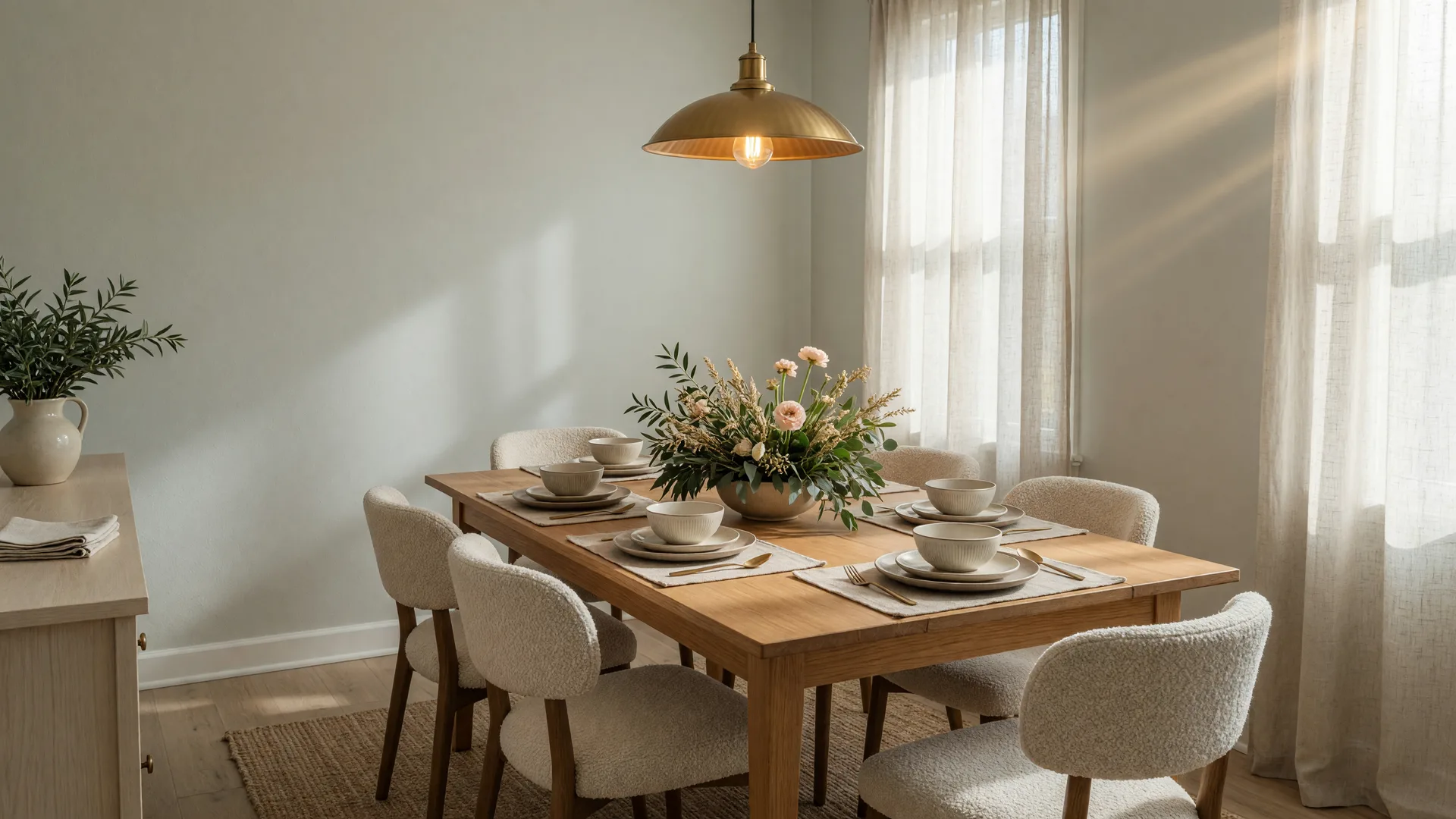
Staging is the art of making a home look like the best version of itself: clean, bright, neutral, and easy for a buyer to imagine living in. It is not about decorating for a magazine cover. It is about removing the obstacles between a buyer and the decision to make an offer. Here is why presentation matters so much, and the simple moves that deliver the biggest impact.
Why presentation matters
Buyers make their first judgment in seconds, often from a thumbnail photo, and that judgment is emotional before it is rational. A room that is cluttered, dark, or crowded asks the buyer to do the work of imagining away your furniture and your life, and most buyers will not do that work.
A staged room does the work for them. It shows what the space could be, and it makes the home feel move-in ready. Presentation is not vanity. It is communication.
How staging helps homes sell faster, and for more
Staged homes tend to spend less time on the market and often attract stronger offers, because buyers perceive a well-presented home as more valuable. When a home photographs well, more buyers request showings, and more showings mean more competition, which is what supports the price.
The math is simple: a small investment in presentation protects the largest asset you own. Most sellers find that the cost of staging is far smaller than the difference it can make to the final number.
Declutter and depersonalize
The first rule of staging is subtraction. Clear counters down to a single small bowl or vase, store family photos and collections, and remove furniture that crowds a room. Buyers need to see floors, walls, and light, not your belongings.
A room with less in it always reads larger, and a home that reads larger reads as more valuable.
Light it up
Light is the cheapest staging tool there is. Open every curtain and blind for showings and photographs, clean the windows on the main floor, and replace dim bulbs with bright, warm ones. Add lamps to dark corners until every room feels lit from within.
Bright rooms photograph better, show better, and feel bigger, and buyers notice the difference instantly.
Arrange furniture for flow
How furniture is placed matters as much as what is in the room. Pull sofas and chairs away from the walls a few inches, angle seating toward the room's focal point, and leave clear walkways so buyers can move through easily.
The goal is to show the room's purpose and its size, not to fill every inch. If a piece does not help the room read better, move it out.
Curb appeal counts too
Staging does not stop at the front door. The exterior is the first thing buyers see in person and in photos, so give it the same treatment: mow, trim, edge, sweep, and add color with potted plants or fresh mulch.
Wash the front door and make the entrance welcoming. A home that looks cared for from the street sets the tone for everything inside.
One line to remember: staging sells the space, not the stuff. Buyers are not buying your furniture or your life. They are buying the possibility of their own. Make that possibility easy to see, and the home sells itself.