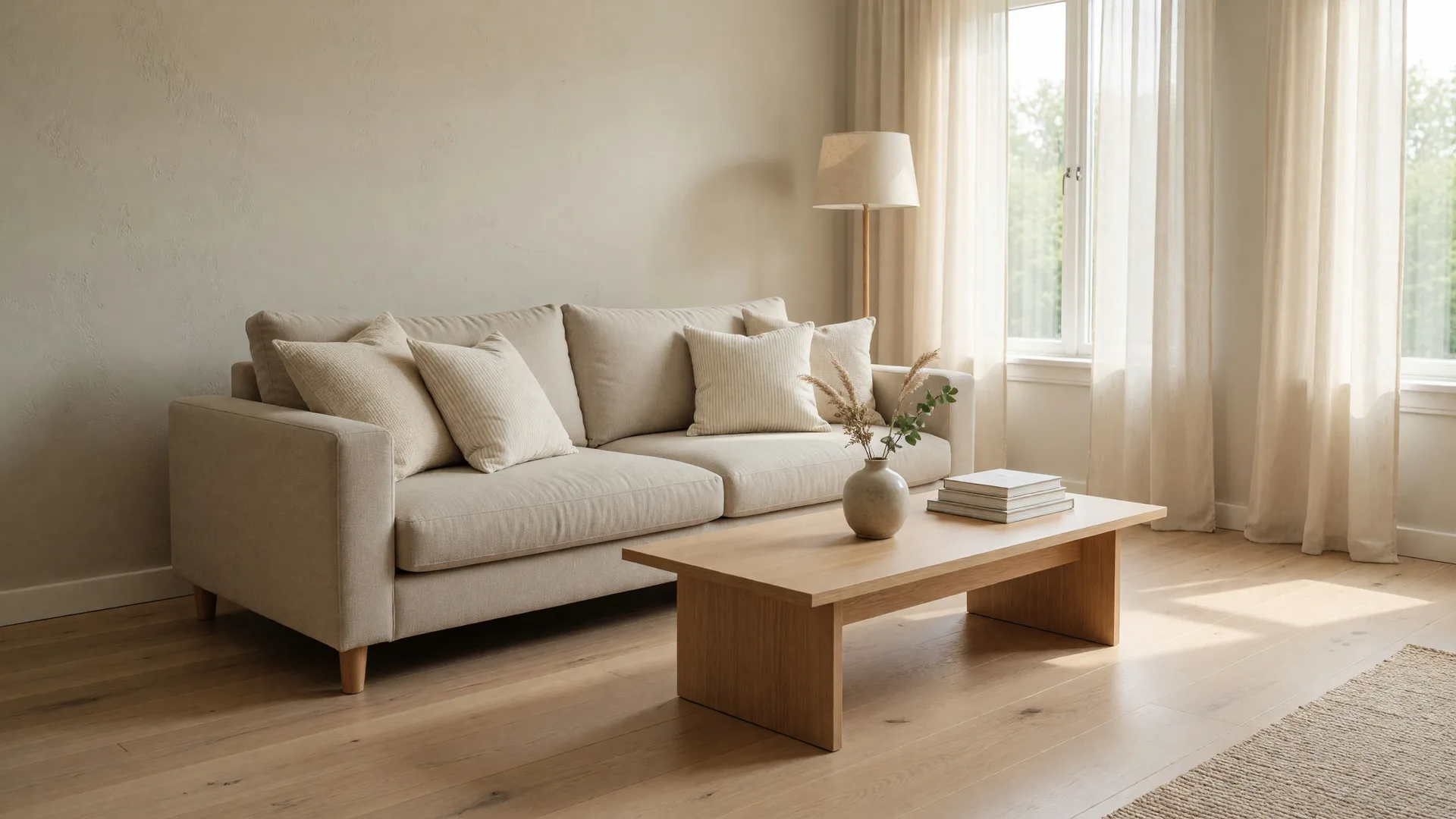
Staging and decluttering are the two highest-leverage things a seller can do before the photos are taken and the first showing is booked. Together they turn a home that is lived in into a home that is ready to be sold: lighter, brighter, and easier for a buyer to picture their own life in. Here is why the combination matters so much, and the practical moves that make the biggest difference.
Why staging helps homes sell faster, and for more
Most buyers decide whether to see a home from the photos, and they form their first impression in seconds. A staged home photographs brighter, shows cleaner, and reads as more valuable, which means more buyers request showings. More showings mean more competition, and competition is what supports the price.
Staged homes also tend to spend less time on the market. The investment in presentation is small compared with the difference it can make to the final number, and a home that sells faster costs less to carry while it waits.
Clear the countertops and closets
Decluttering starts with subtraction. Clear kitchen counters down to a single small bowl or vase, empty bathroom vanities of everything but a folded towel, and remove the magnets, notes, and photos from the fridge. Buyers need to see the surfaces, not your daily life on them.
Closets matter more than people expect, because buyers open them. A closet packed to the ceiling reads as a closet that is too small. Pack down to about half-full and the storage suddenly looks generous.
Remove family photos and personal items
Depersonalizing is the second half of the job. Store family photographs, awards, collections, and anything with a name or a face on it. A buyer cannot imagine their family in a room that is full of yours.
This includes the small things: refrigerator art, height marks on a door frame, strongly personal decor, and anything with a particular taste attached to it. The goal is a neutral backdrop that any buyer can step into.
Neutral-decor touch-ups
You do not need to repaint the whole house, but you do need the walls to read neutral. Touch up scuffed paint on walls and trim, and soften the boldest accent walls or dated wallpaper in the rooms buyers see first.
Small refreshes carry real weight: replace worn switch plates, straighten crooked hardware, and make sure every door and window operates smoothly. The home should look maintained, calm, and easy to move into.
Fresh lighting
Light is the cheapest staging tool there is. Open every curtain and blind for photographs and showings, clean the windows on the main floor, and replace dim bulbs with bright, warm ones.
Add lamps to dark corners until every room feels lit from within. Bright rooms photograph better, show better, and feel bigger, and buyers notice the difference instantly.
Arrange furniture for flow
How furniture is placed matters as much as what is in the room. Pull sofas and chairs away from the walls a few inches, angle seating toward the room's focal point, and leave clear walkways so buyers can move through easily.
The goal is to show the room's purpose and its size, not to fill every inch. If a piece does not help the room read better, move it out or store it.
Don't forget the curb
Staging does not stop at the front door. The exterior is the first thing buyers see in person and in photos, so give it the same treatment: mow, trim, edge, sweep, and add color with potted plants or fresh mulch.
Wash the front door and make the entrance welcoming. A home that looks cared for from the street sets the tone for everything inside.
One line to remember: staging and decluttering sell the space, not the stuff. Buyers are not buying your furniture or your life. They are buying the possibility of their own, and the less there is in the way, the easier that possibility is to see.