The Washington DC metro area is really several different places wearing one name. A buyer looking in Rockville is shopping a different market than one looking in Arlington or Capitol Hill, and the differences matter more than the shared skyline. This overview sketches the areas I work in most, with an honest read on each one's commute, schools, and feel, so you know where to start looking.
Rockville, Maryland
Rockville is the county seat of Montgomery County and the classic suburban anchor of the area: tree-lined neighborhoods, good schools through Montgomery County Public Schools, and a genuine downtown around Rockville Town Square with restaurants, shops, and events. The Red Line serves the city, and the drive to Washington DC runs down Rockville Pike and I-270. Buyers here tend to want space, schools, and a commute that is manageable rather than short.
Chevy Chase, Maryland
Chevy Chase sits right on the Washington DC line along Western Avenue, and it wears its age well: established homes, leafy streets, and small village centers where you can walk to the grocery store and the coffee shop. It feeds into Montgomery County Public Schools and is an easy commute into the District. The feel is quietly upscale and family-focused, and inventory is often limited because people stay.
Bethesda, Maryland
Bethesda is the area's urban-suburban hybrid: a walkable downtown full of restaurants and shops, a Red Line station, and quiet residential streets radiating out from it. It is home to major employers like NIH, and its schools are part of Montgomery County Public Schools. Buyers choose Bethesda when they want city energy with a Maryland address, and they pay for the combination.
Potomac, Maryland
Potomac is the area's estate belt: large lots, winding roads like River Road, and homes set well back from the street. It is quieter and more private than its neighbors, with Montgomery County Public Schools and a commute that trades time for space. Buyers come here for acreage, trees, and a sense of retreat that is rare this close to a major city.
Falls Church, Virginia
Falls Church is an independent city, small in size and proud of it, with the nickname "The Little City." Its walkable downtown, its own school system in Falls Church City Public Schools, and its position inside the Beltway make it a favorite for buyers who want a small-town feel with fast access to Washington DC, Arlington, and Tysons. Homes range from classic post-war neighborhoods to new construction on former lots.
Fairfax, Virginia
Fairfax, the city and the surrounding county, is suburban Virginia at its most complete: family neighborhoods, Fairfax County Public Schools, and amenities like George Mason University and the Mosaic District nearby. Commuters rely on I-66, the Beltway, and the Orange Line. Buyers get more home for the money than in the closer-in markets, and the trade-off is a longer trip into the District.
Arlington, Virginia
Arlington is the urban edge of Virginia: walkable corridors like Ballston, Clarendon, and Courthouse, served by the Orange and Silver Lines, with a mix of condos, townhomes, and single-family homes. Arlington Public Schools are a draw for families, and the bike and transit networks make it possible to live here with one car or none. It is the closest Virginia gets to city living, and the prices say so.
Annandale, Virginia
Annandale is one of the area's best dining neighborhoods, famous for its Korean restaurants and shops, and it is also one of its more attainable markets. It sits inside the Beltway with easy access to I-395 and I-495, feeds into Fairfax County Public Schools, and offers a mix of older ramblers, townhomes, and newer builds. Buyers who want a convenient, diverse, and comparatively affordable address often land here.
Washington, DC
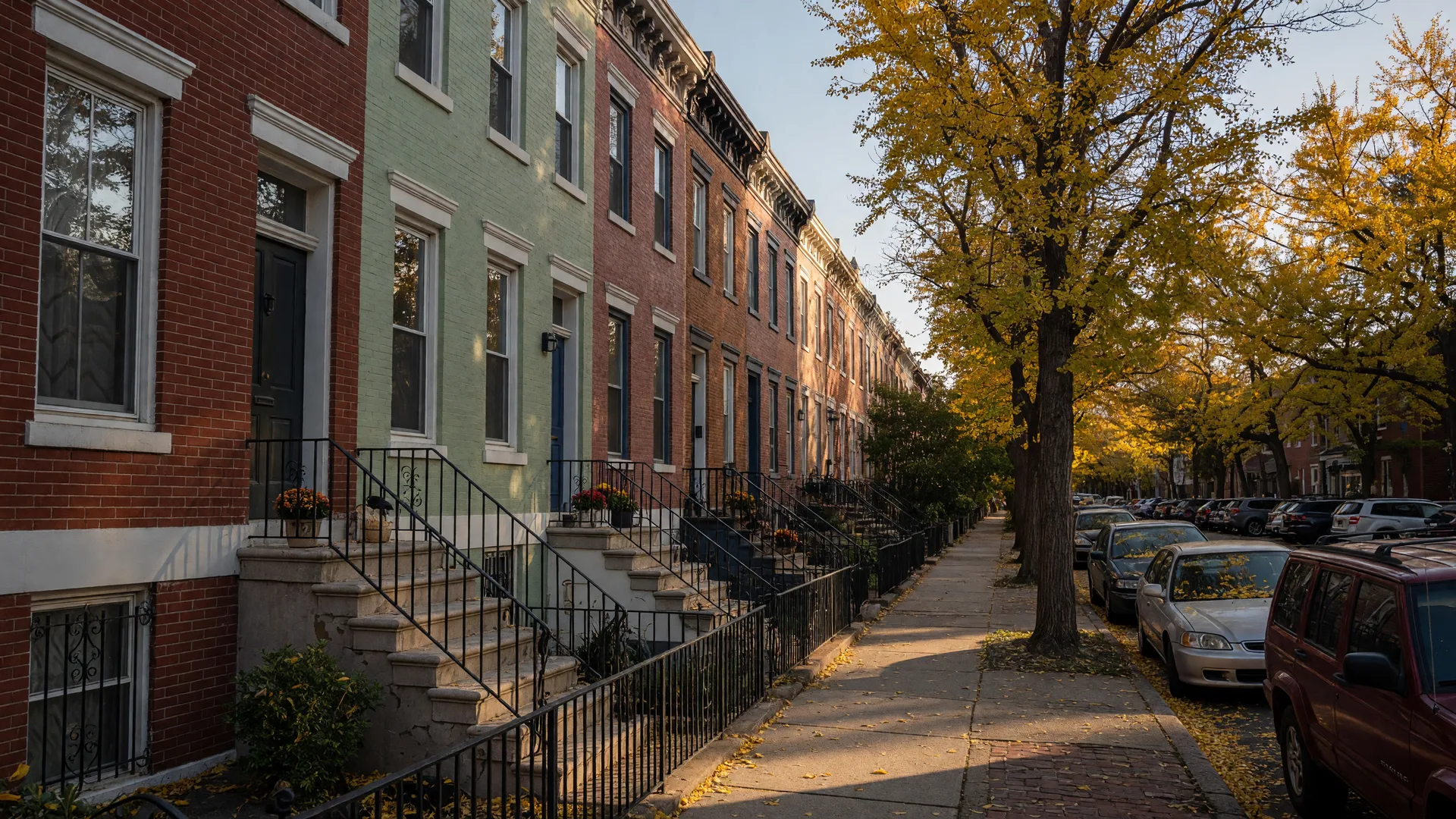
The District itself is a collection of neighborhoods, each with its own character: the historic rowhouses of Capitol Hill, the boutiques of Georgetown, the brownstones of Logan Circle and Dupont Circle, the waterfront energy of the Southwest and Navy Yard. Many buyers here skip the car entirely, using Metro, bikes, and walking. Schools are Washington DC Public Schools plus a large charter network, and the trade-off is space: Washington DC homes are typically smaller and pricier per square foot, and you are buying the lifestyle as much as the house.
How to choose between them
Start with the commute, because it is the one thing you will feel every single day. Test the drive and the Metro ride at the actual times you would travel, not on a weekend afternoon. Then research schools by your own standards, whether that means test scores, class size, or the specific programs your family needs, and verify the feeder pattern for the exact address, because boundaries change.
Finally, spend an afternoon in each candidate area. Walk the main street, sit in a coffee shop, look at the houses you can actually afford there. The right neighborhood is the one where the numbers work and the place still feels like home when you picture your evenings in it. I can help you compare the details across any of these areas, and I am happy to show you the differences in person.
One line to remember: in the Washington DC metro, you are not choosing between cities, you are choosing between commutes and lifestyles. Decide which one you can live with every day, and the right address follows.